
vagaro hardwares
vagaro hardwares
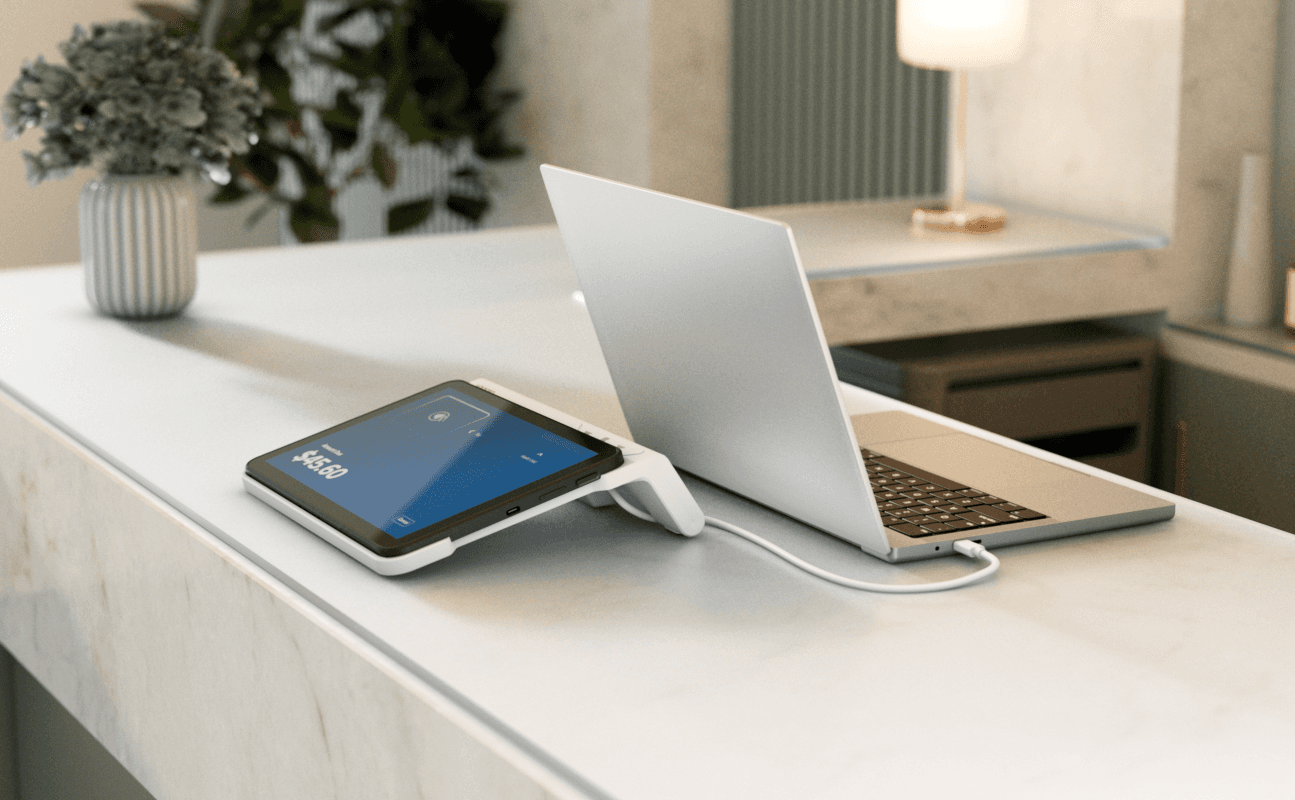
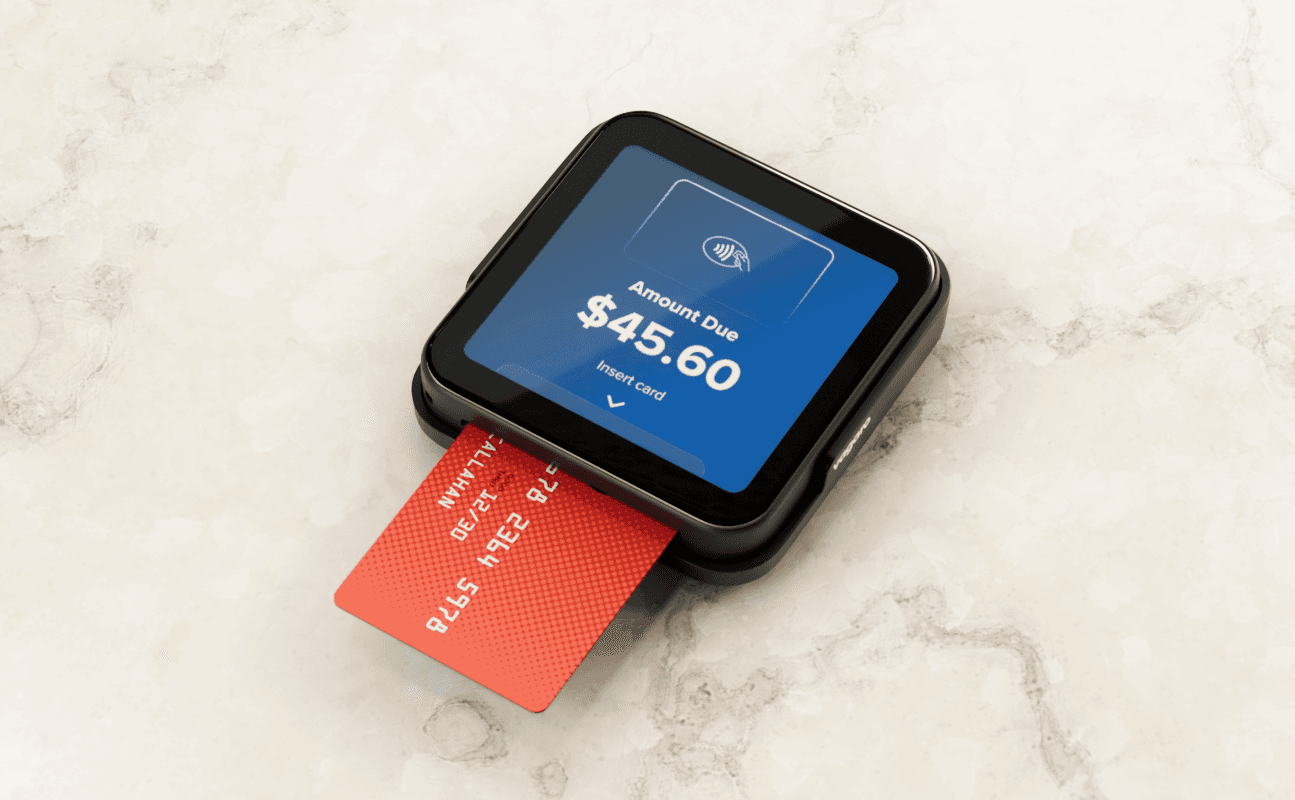
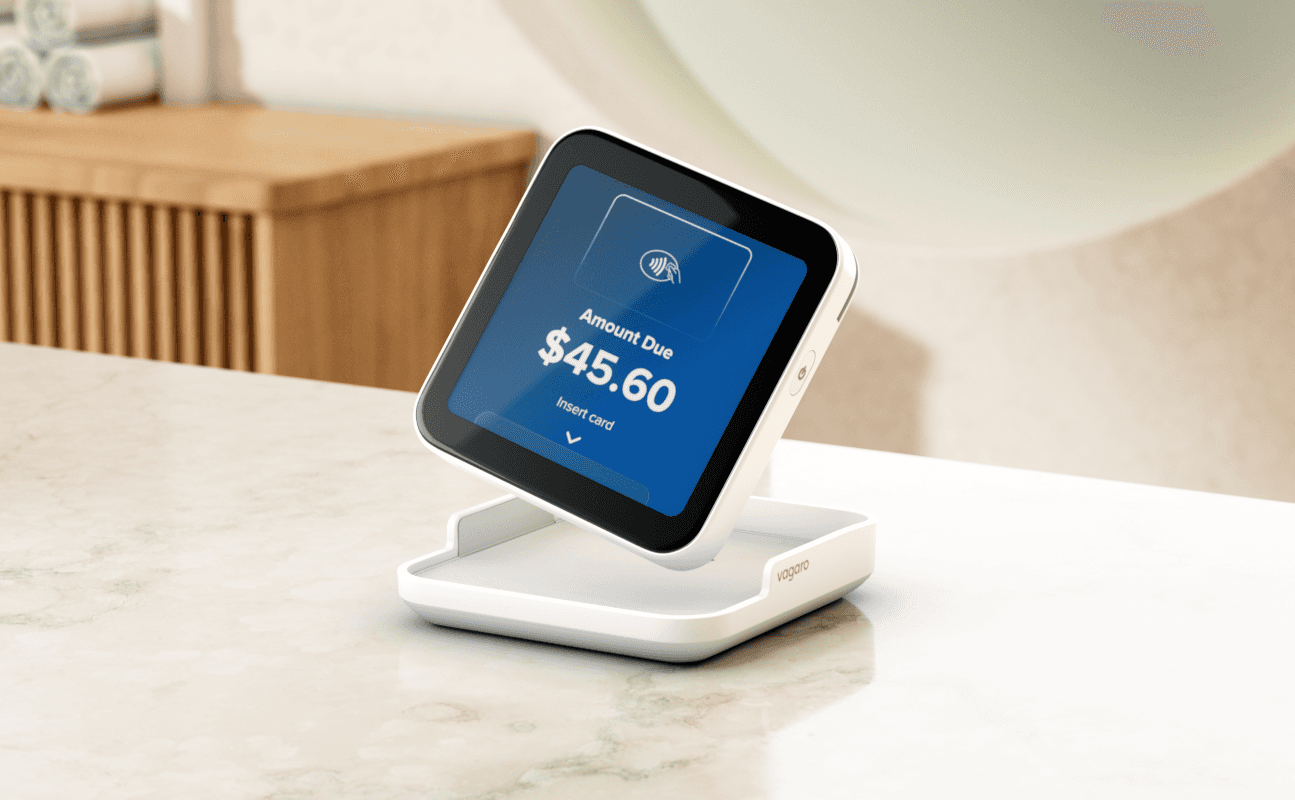
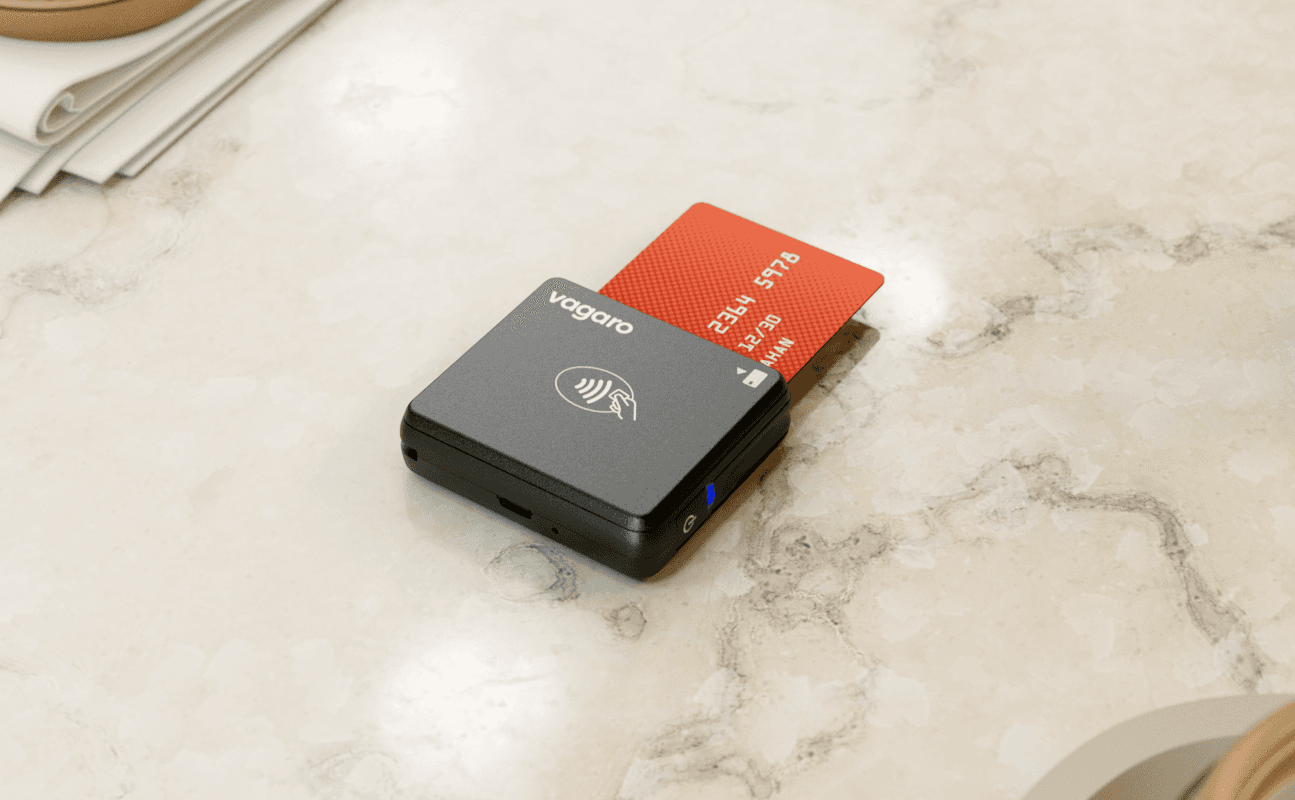
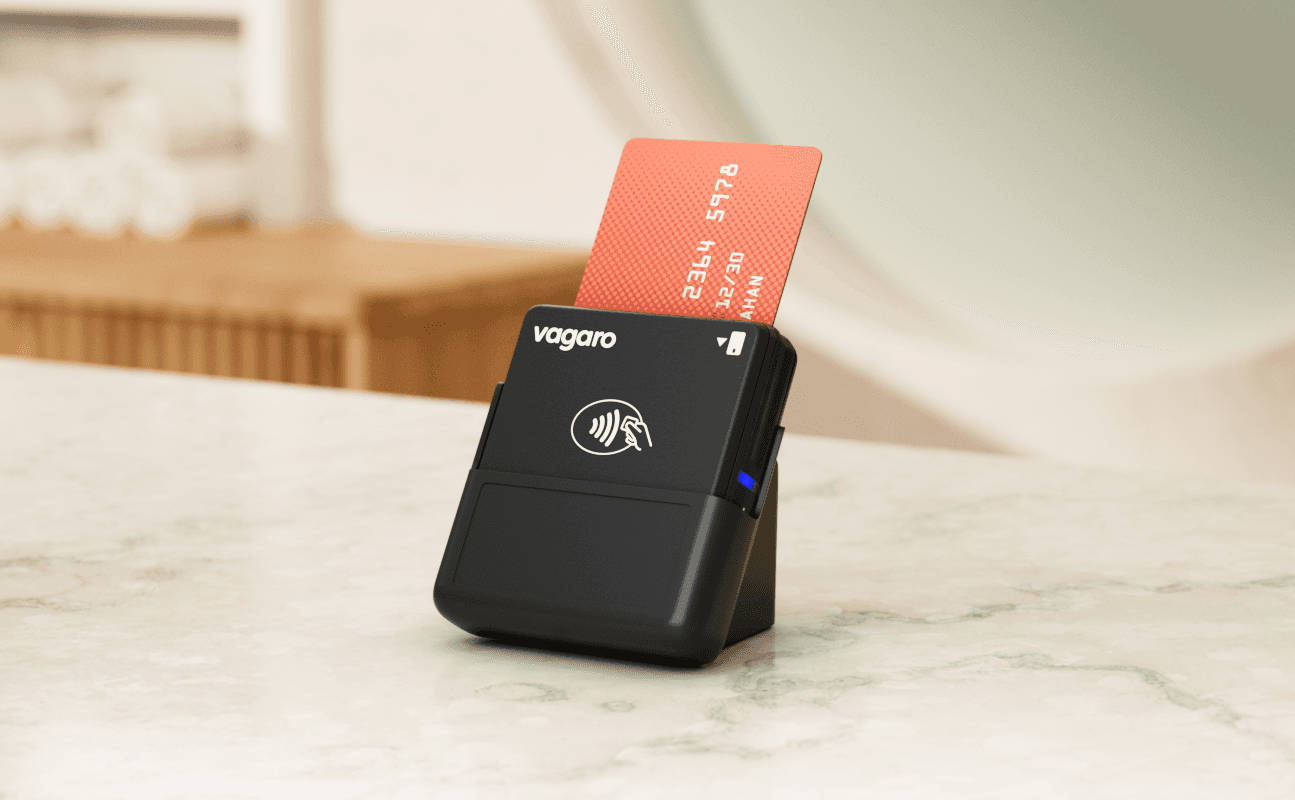
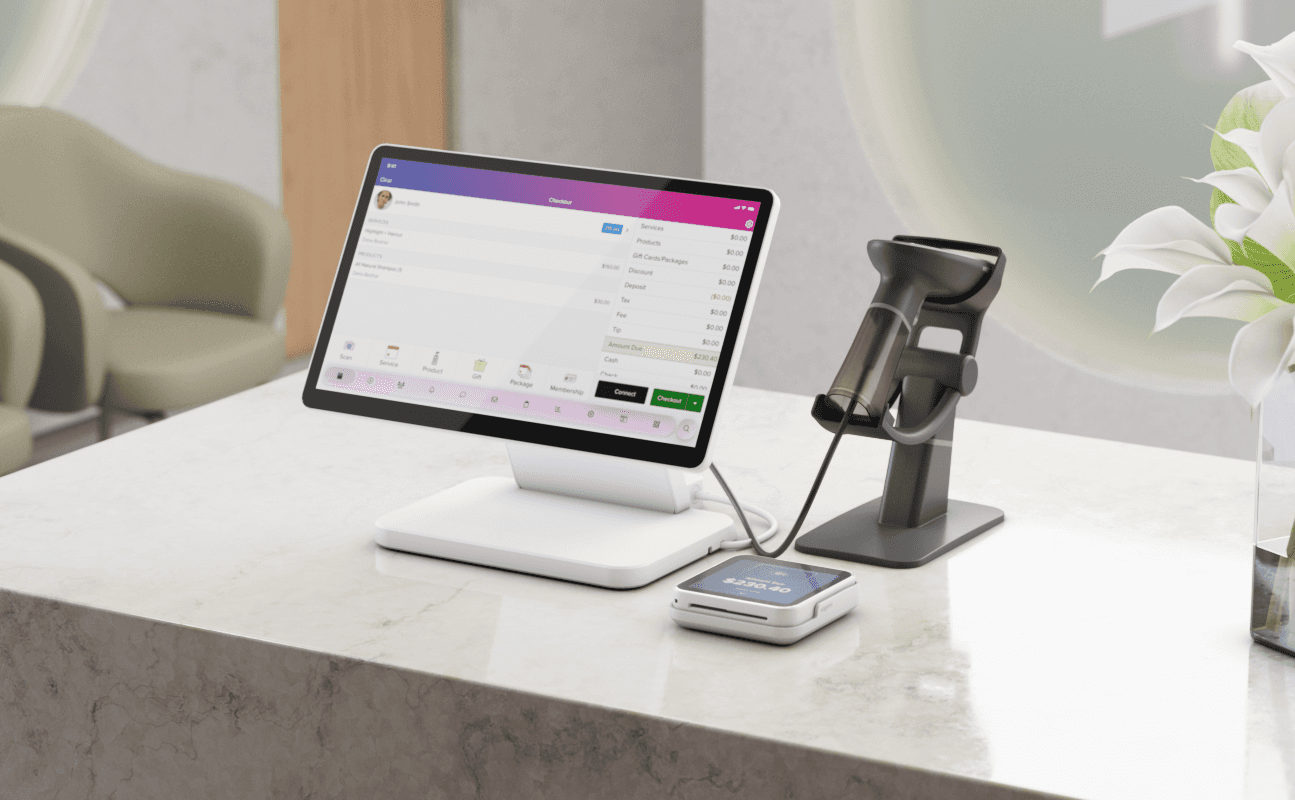
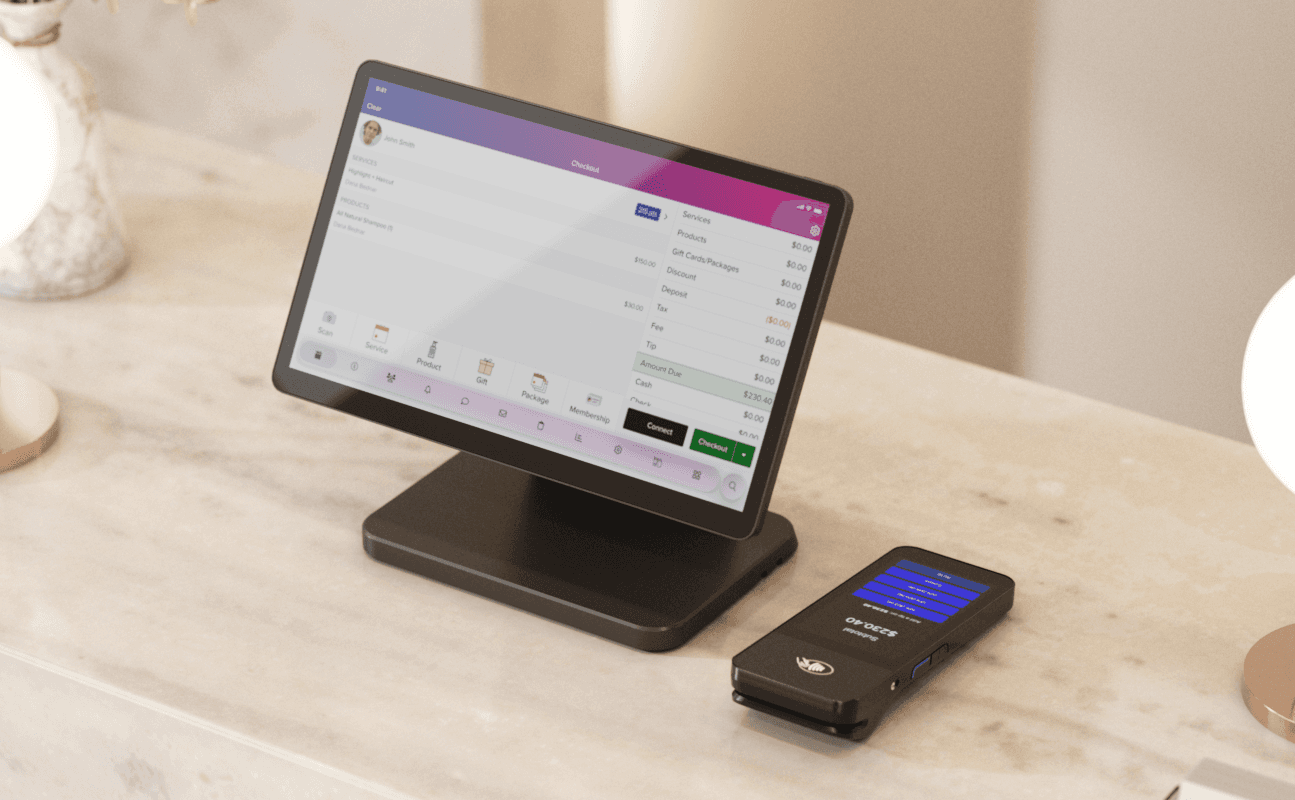
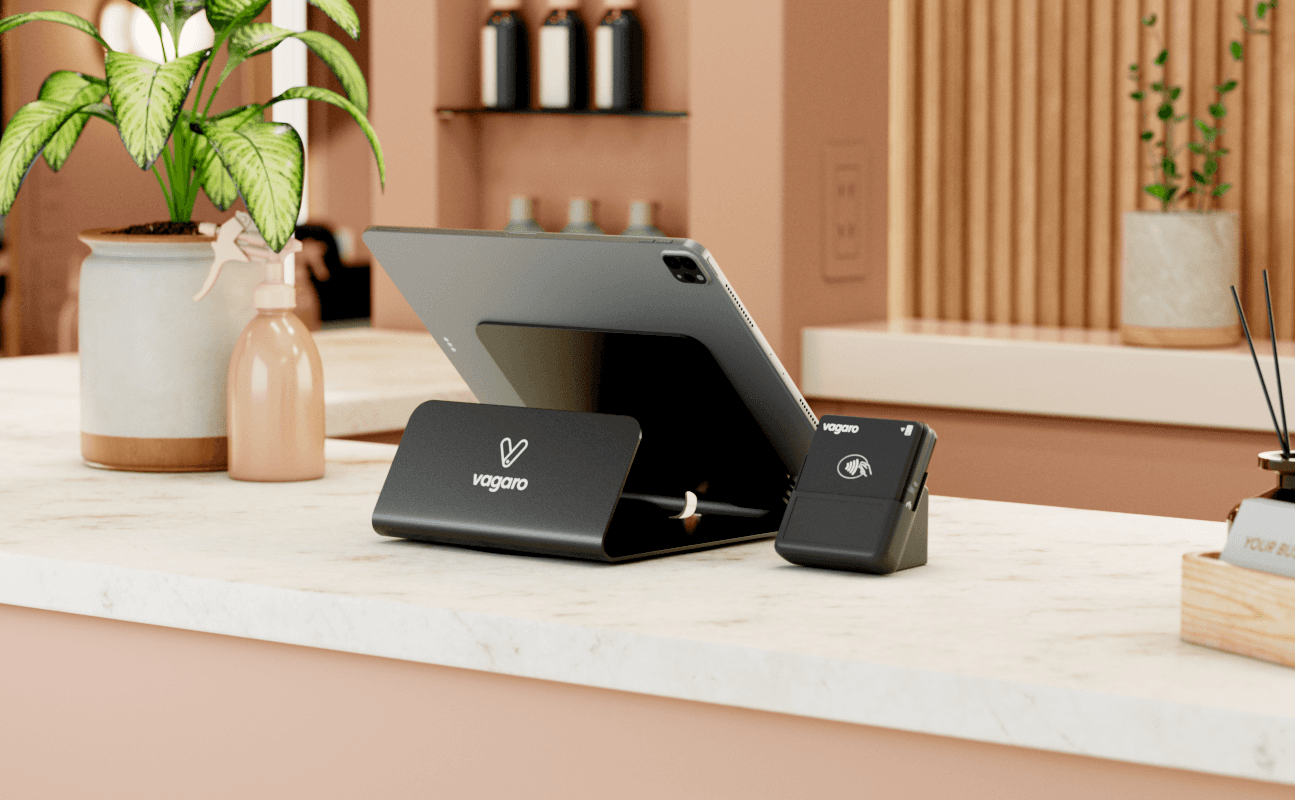
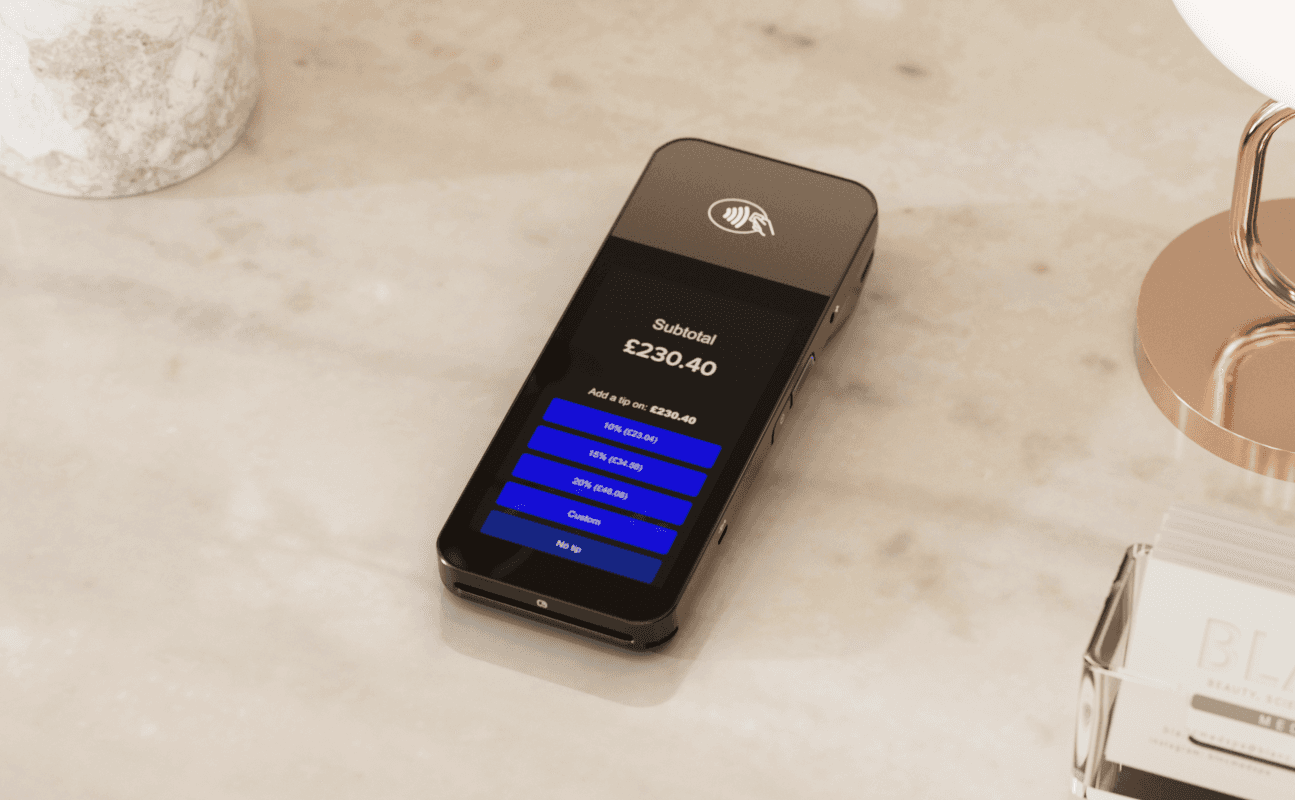
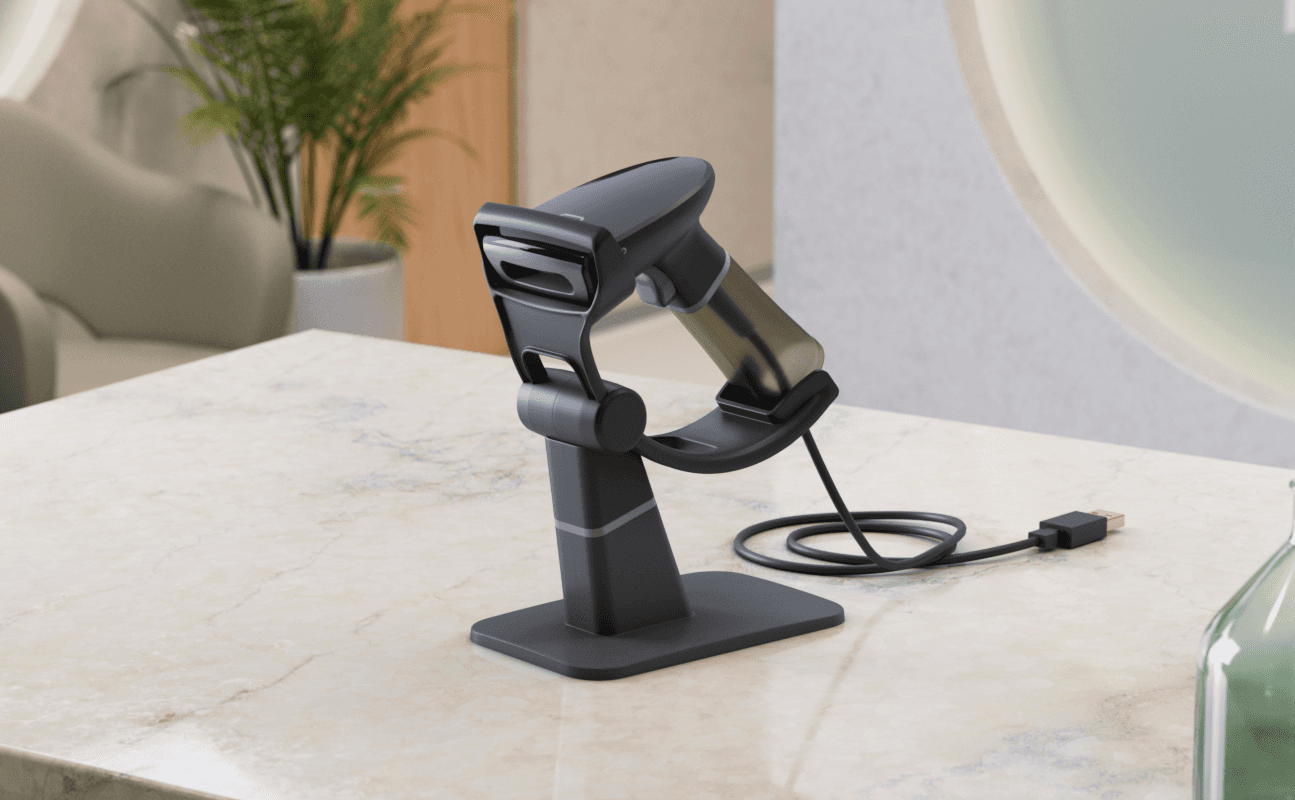
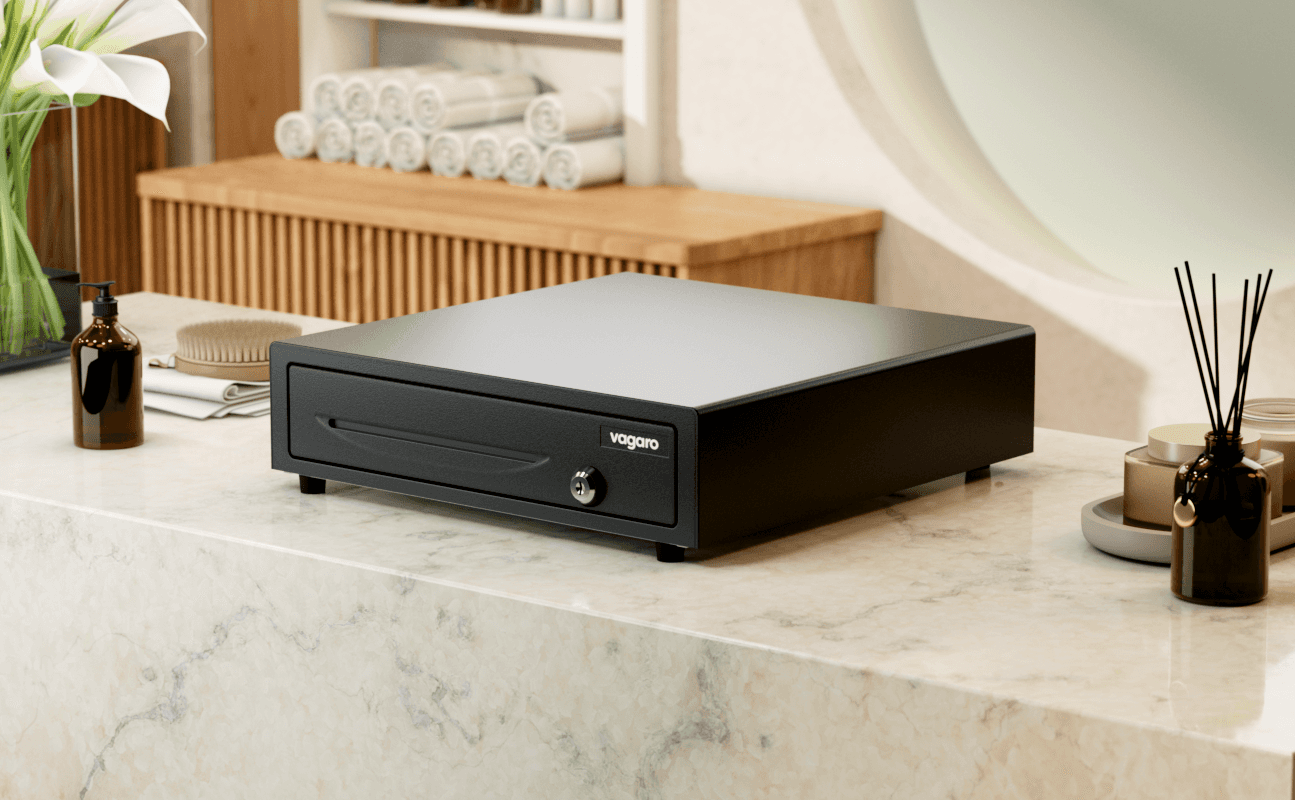
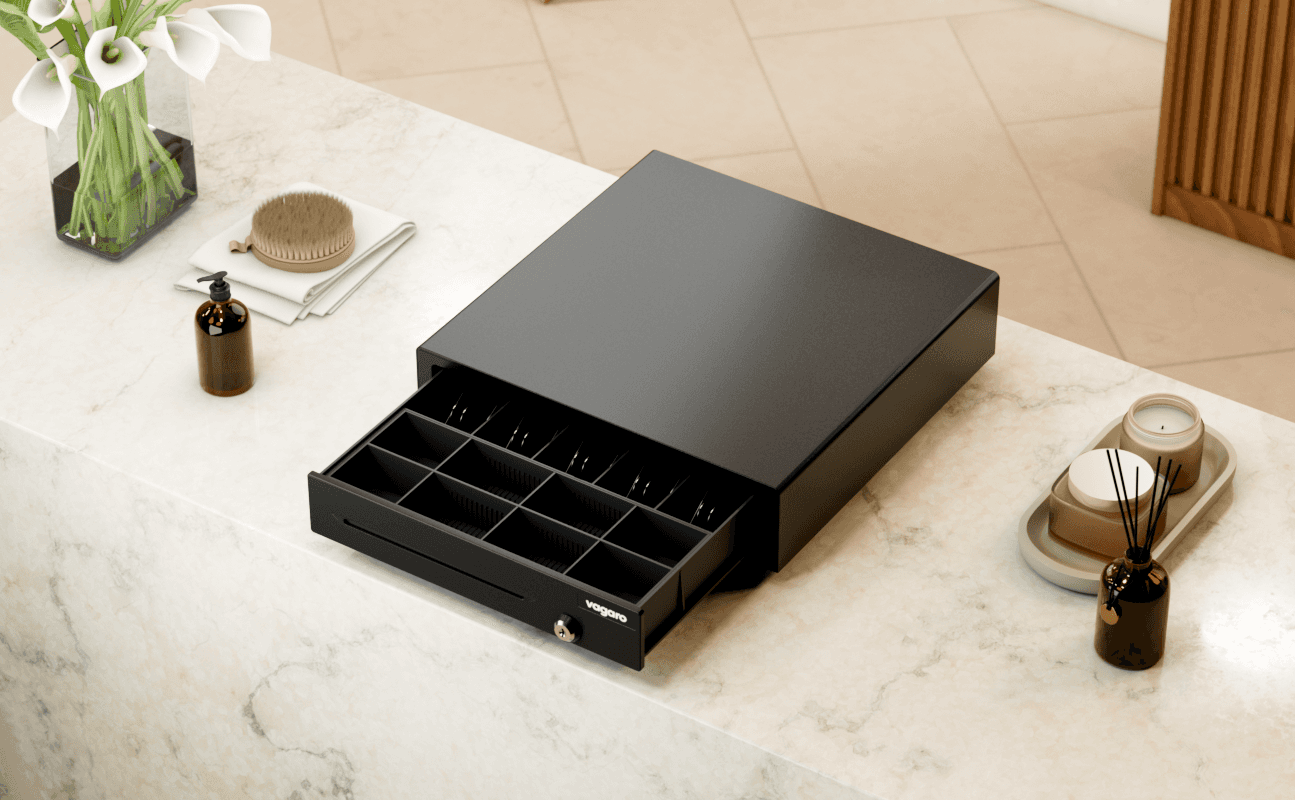
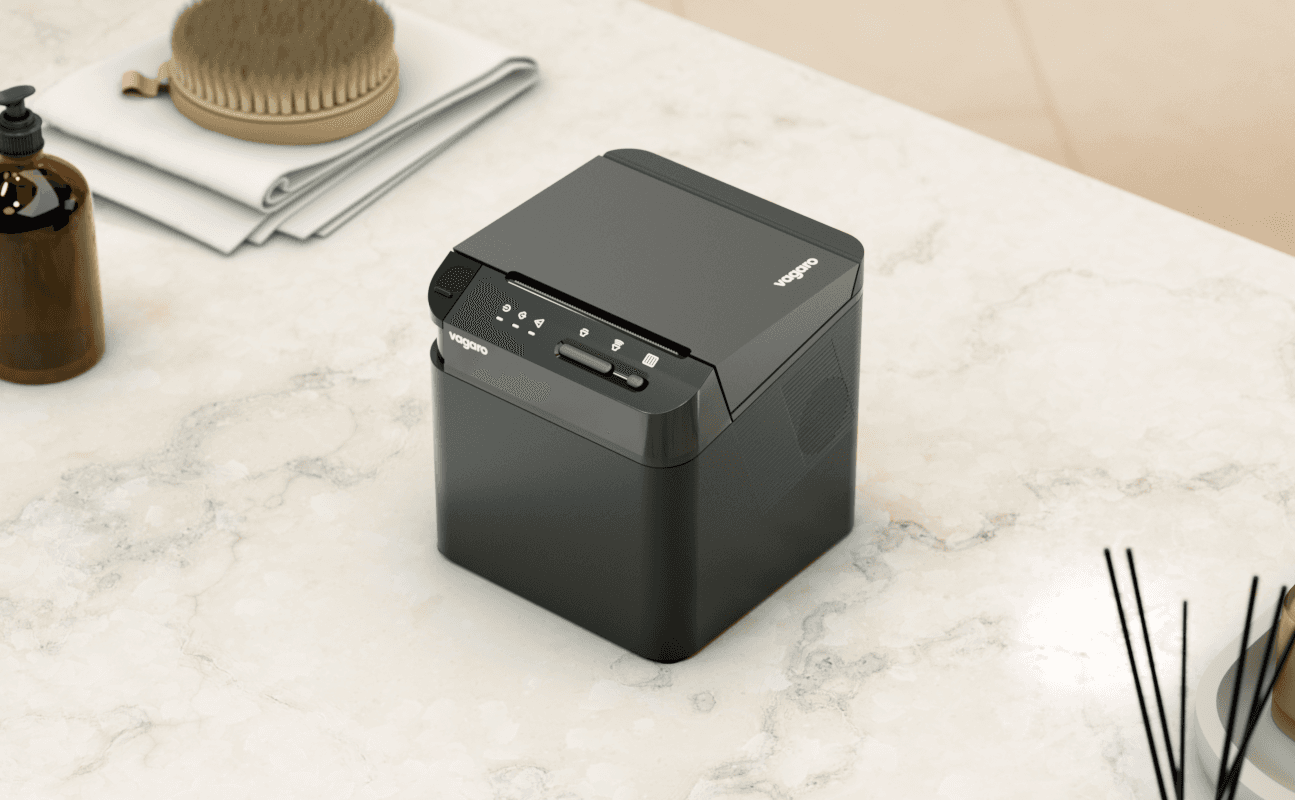
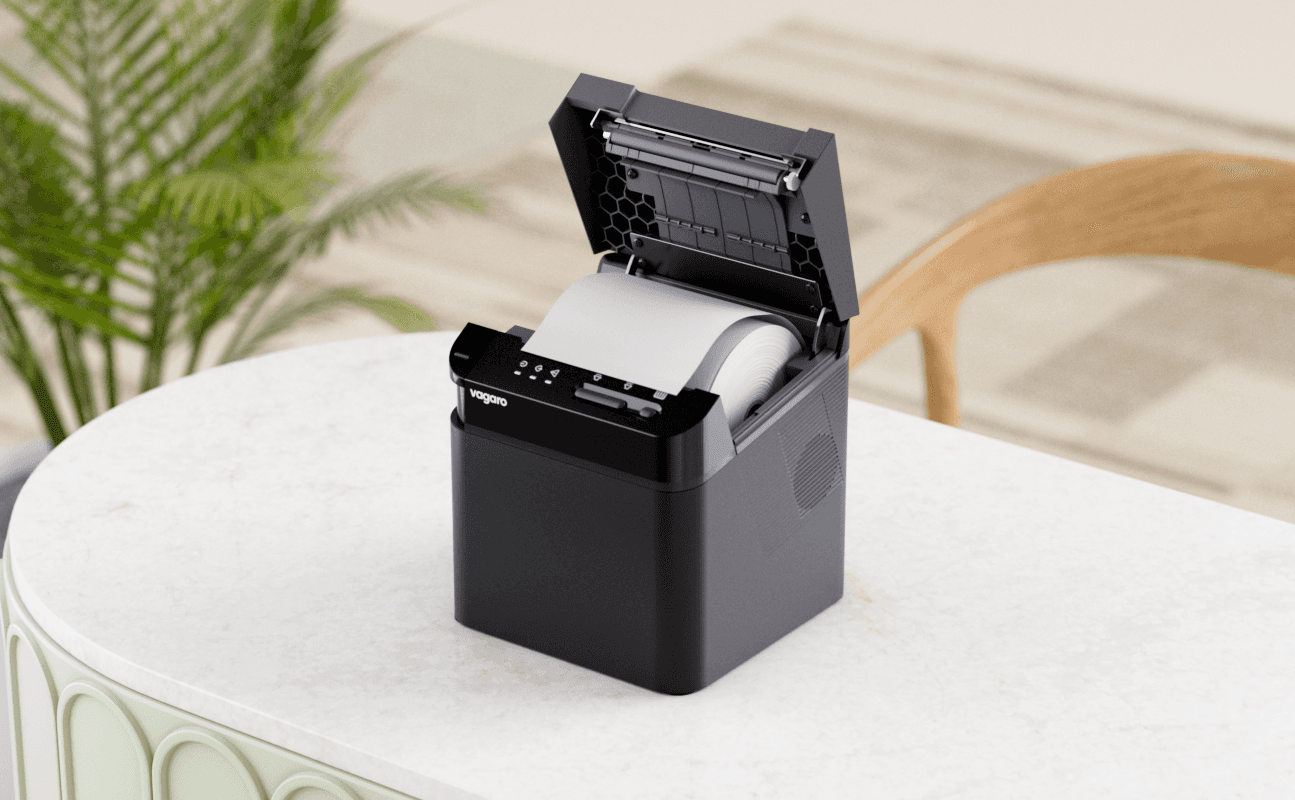
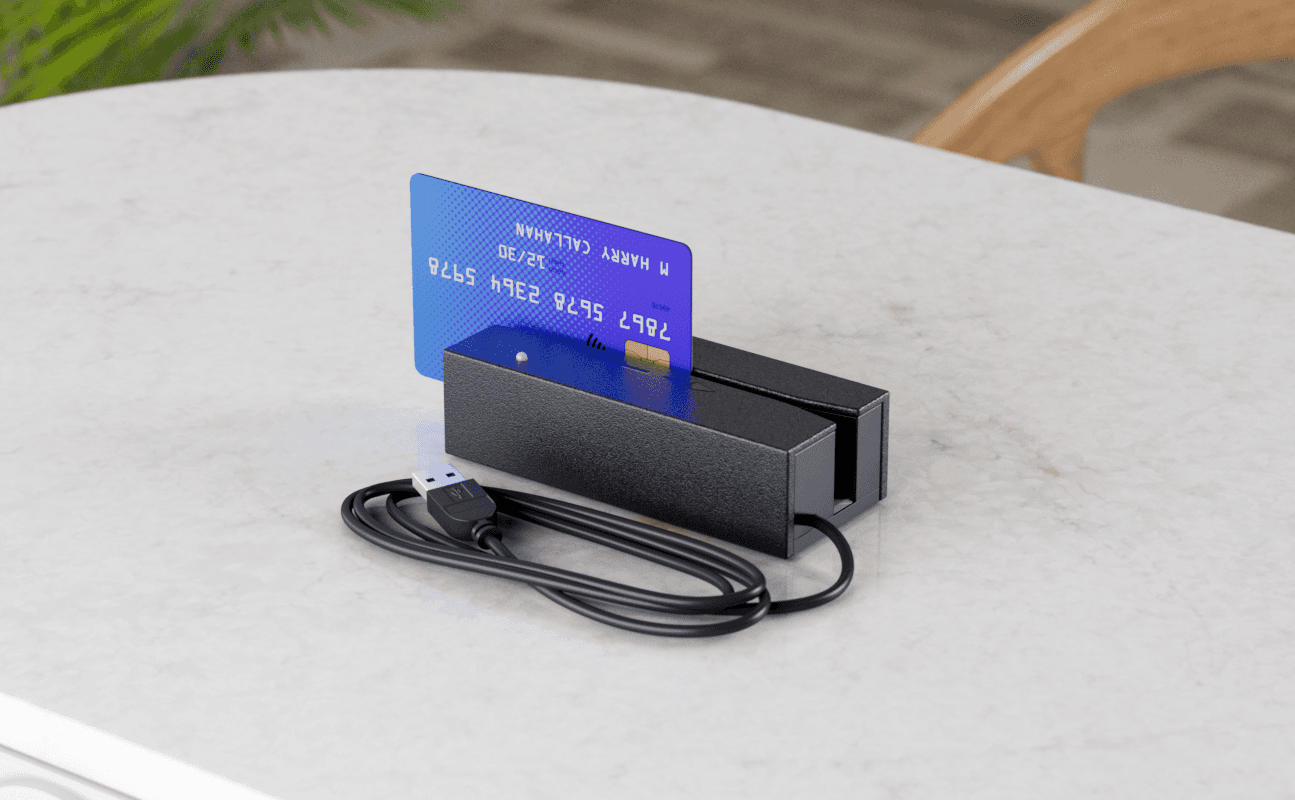
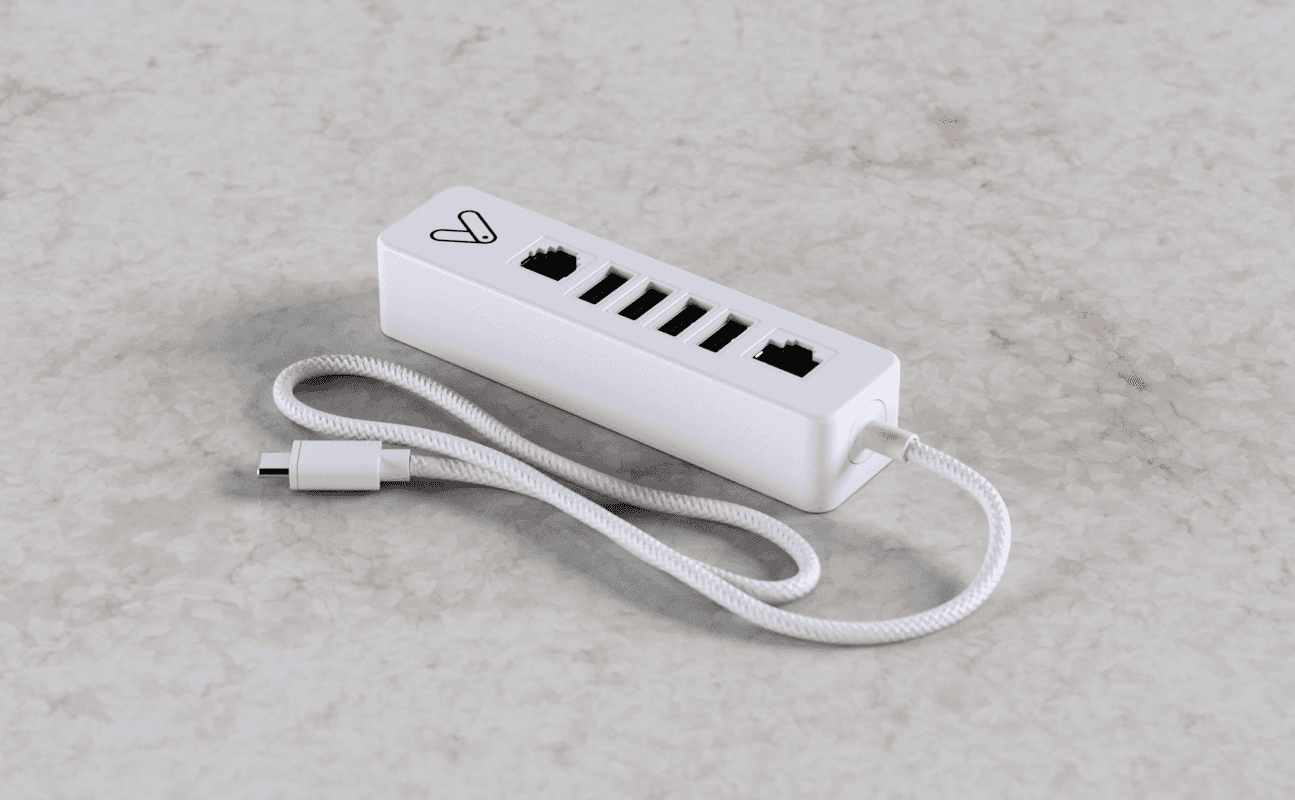
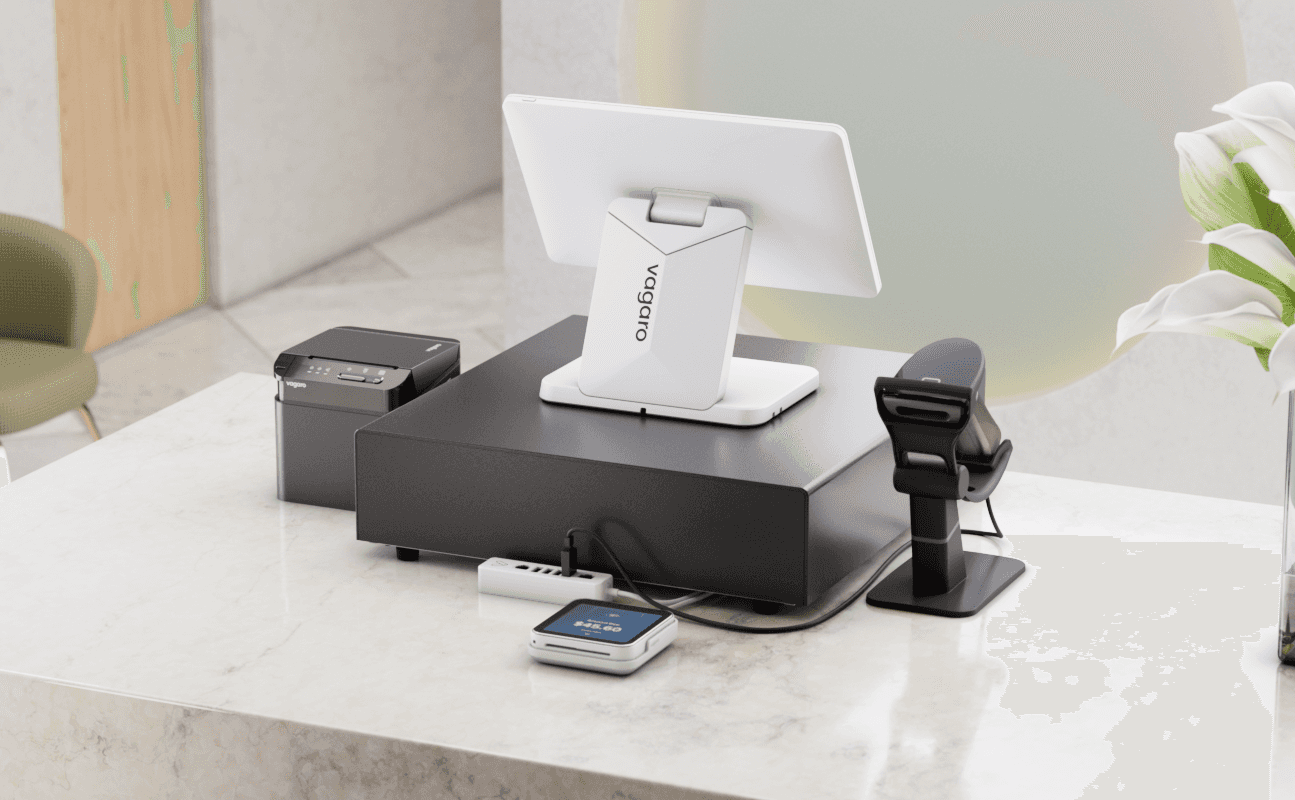
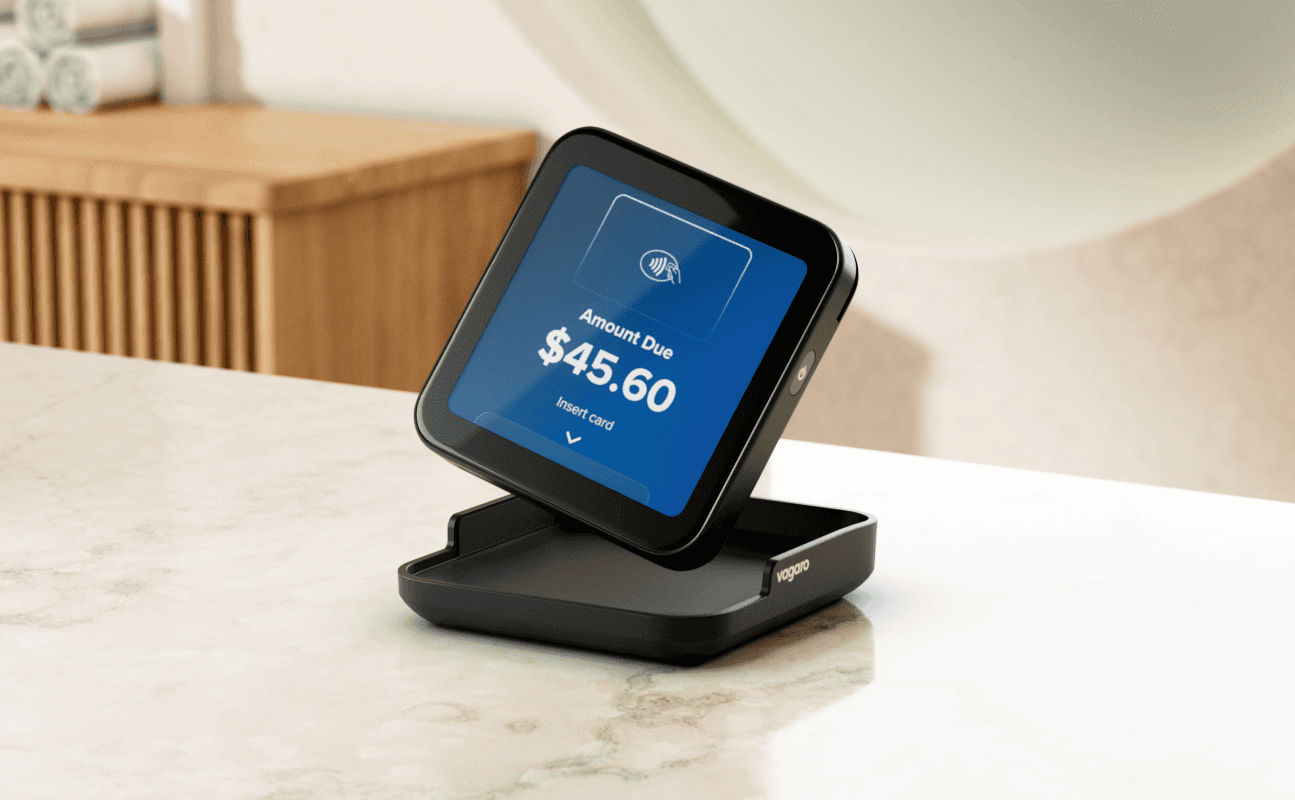
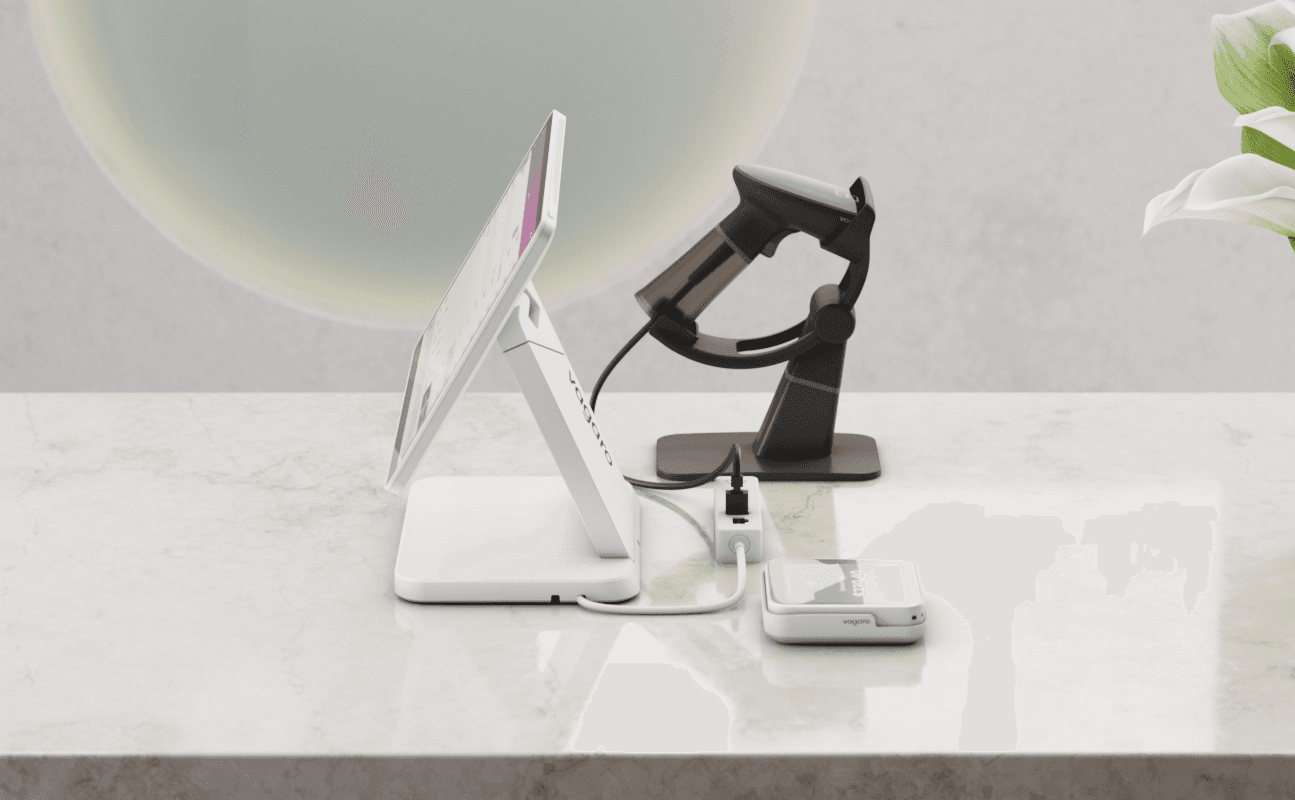
Vagaro Hardwares is a collection of dead-accurate, world-scale 3D models built with one intention — to give Vagaro's hardware a consistent, branded visual presence that could be deployed across every channel, campaign, and touchpoint with precision and purpose.
Vagaro Hardwares is a collection of dead-accurate, world-scale 3D models built with one intention — to give Vagaro's hardware a consistent, branded visual presence that could be deployed across every channel, campaign, and touchpoint with precision and purpose.
client
VAGARO
Year
2026
Category
web, product
CREATIVE INTENT
CREATIVE INTENT
Before this project, Vagaro had no 3D pipeline.
Hardware imagery relied entirely on photography & videography — processes defined by three recurring constraints: cost, time, and limited creative flexibility.
Shooting hardware in industry-specific venues required significant budget. Venues were scarce, borrowing them was expensive, and the logistics of coordinating photographers, equipment, and locations for every new campaign made iteration nearly impossible.
The creative ceiling was real. Limited camera equipment and production resources meant limited environment options — and limited environments meant limited brand storytelling.
Nobody assigned this project. It started with a conversation.
In an early discussion with Vagaro's CEO, I laid out what a single 3D artist was capable of — and what it would mean for the business. The pitch was simple: scalable assets, reduced production costs, and creative flexibility that photography & videography could never provide. Leadership was convinced before the meeting ended.
What followed was a self-initiated 3D asset pipeline built from scratch — one that permanently expanded what Vagaro's creative team was capable of.
Before this project, Vagaro had no 3D pipeline.
Hardware imagery relied entirely on photography & videography — processes defined by three recurring constraints: cost, time, and limited creative flexibility.
Shooting hardware in industry-specific venues required significant budget. Venues were scarce, borrowing them was expensive, and the logistics of coordinating photographers, equipment, and locations for every new campaign made iteration nearly impossible.
The creative ceiling was real. Limited camera equipment and production resources meant limited environment options — and limited environments meant limited brand storytelling.
Nobody assigned this project. It started with a conversation.
In an early discussion with Vagaro's CEO, I laid out what a single 3D artist was capable of — and what it would mean for the business. The pitch was simple: scalable assets, reduced production costs, and creative flexibility that photography & videography could never provide. Leadership was convinced before the meeting ended.
What followed was a self-initiated 3D asset pipeline built from scratch — one that permanently expanded what Vagaro's creative team was capable of.
CREATIVE INTENT
Before this project, Vagaro had no 3D pipeline.
Hardware imagery relied entirely on photography & videography — processes defined by three recurring constraints: cost, time, and limited creative flexibility.
Shooting hardware in industry-specific venues required significant budget. Venues were scarce, borrowing them was expensive, and the logistics of coordinating photographers, equipment, and locations for every new campaign made iteration nearly impossible.
The creative ceiling was real. Limited camera equipment and production resources meant limited environment options — and limited environments meant limited brand storytelling.
Nobody assigned this project. It started with a conversation.
In an early discussion with Vagaro's CEO, I laid out what a single 3D artist was capable of — and what it would mean for the business. The pitch was simple: scalable assets, reduced production costs, and creative flexibility that photography & videography could never provide. Leadership was convinced before the meeting ended.
What followed was a self-initiated 3D asset pipeline built from scratch — one that permanently expanded what Vagaro's creative team was capable of.
PROCESS & CRAFT
PROCESS & CRAFT
The process of digitalizing each hardware began with photography — but not conventional product photography.
Working alongside a photographer, orthographic reference images were captured from six angles— front, right, left, back, top, and bottom — using a 250mm lens shot from a significant distance to minimize lens distortion and preserve dimensional accuracy.
A chrome ball was also photographed on set to generate HDRI images — capturing the exact lighting environment of the studio and creating a consistent, reusable lighting reference for every hardware asset built after it.
With reference images prepared, each hardware was modeled from scratch in Autodesk Maya. Translating six flat orthographic photographs into a dimensionally accurate, production-ready 3D model requires a level of spatial precision and technical expertise that can't be approximated — every edge, chamfer, port, and surface detail had to be faithfully reconstructed from reference alone.
Shading, lighting, and material development were handled in Redshift and Substance Painter — chosen deliberately for speed and accuracy. Redshift's GPU pipeline cut render times three to four times faster than traditional CPU rendering, while Substance Painter ensured every unique surface texture was faithfully represented. Both decisions were made with a solo pipeline in mind — tools that had to work as hard as the artist using them.
The HDRI captured on set became the foundational light rig for the entire library — one consistent lighting environment that unified the look across all 13 assets, every render, and every campaign.
The process of digitalizing each hardware began with photography — but not conventional product photography.
Working alongside a photographer, orthographic reference images were captured from six angles— front, right, left, back, top, and bottom — using a 250mm lens shot from a significant distance to minimize lens distortion and preserve dimensional accuracy.
A chrome ball was also photographed on set to generate HDRI images — capturing the exact lighting environment of the studio and creating a consistent, reusable lighting reference for every hardware asset built after it.
With reference images prepared, each hardware was modeled from scratch in Autodesk Maya. Translating six flat orthographic photographs into a dimensionally accurate, production-ready 3D model requires a level of spatial precision and technical expertise that can't be approximated — every edge, chamfer, port, and surface detail had to be faithfully reconstructed from reference alone.
Shading, lighting, and material development were handled in Redshift and Substance Painter — chosen deliberately for speed and accuracy. Redshift's GPU pipeline cut render times three to four times faster than traditional CPU rendering, while Substance Painter ensured every unique surface texture was faithfully represented. Both decisions were made with a solo pipeline in mind — tools that had to work as hard as the artist using them.
The HDRI captured on set became the foundational light rig for the entire library — one consistent lighting environment that unified the look across all 13 assets, every render, and every campaign.
PROCESS & CRAFT
The process of digitalizing each hardware began with photography — but not conventional product photography.
Working alongside a photographer, orthographic reference images were captured from six angles— front, right, left, back, top, and bottom — using a 250mm lens shot from a significant distance to minimize lens distortion and preserve dimensional accuracy.
A chrome ball was also photographed on set to generate HDRI images — capturing the exact lighting environment of the studio and creating a consistent, reusable lighting reference for every hardware asset built after it.
With reference images prepared, each hardware was modeled from scratch in Autodesk Maya. Translating six flat orthographic photographs into a dimensionally accurate, production-ready 3D model requires a level of spatial precision and technical expertise that can't be approximated — every edge, chamfer, port, and surface detail had to be faithfully reconstructed from reference alone.
Shading, lighting, and material development were handled in Redshift and Substance Painter — chosen deliberately for speed and accuracy. Redshift's GPU pipeline cut render times three to four times faster than traditional CPU rendering, while Substance Painter ensured every unique surface texture was faithfully represented. Both decisions were made with a solo pipeline in mind — tools that had to work as hard as the artist using them.
The HDRI captured on set became the foundational light rig for the entire library — one consistent lighting environment that unified the look across all 13 assets, every render, and every campaign.
PROBLEM & SOLUTION
PROBLEM & SOLUTION
The biggest challenge wasn't technical — it was infrastructural.
Vagaro had no existing 3D pipeline and no precedent for this kind of asset development. Every standard had to be set from scratch — and what I built didn't just solve an immediate problem. It became the foundation every subsequent project was built on.
The orthographic photography process was the first critical problem to solve. Standard product photography introduces lens distortion that makes accurate 3D modeling difficult. The solution was a 250mm lens shot from a significant distance — minimizing distortion and producing reference images precise enough to model from with confidence.
Consistency across a growing library of 13 assets was the second challenge. With multiple devices at different stages of development, maintaining a unified look required a systematic approach. The HDRI light rig solved this — one consistent lighting environment applied across every hardware asset, ensuring visual cohesion whether the asset appeared on a website, a social post, or a paid advertisement.
The third challenge was scale. Digitalizing an entire hardware lineup solo required every tool choice to be strategic. Redshift's GPU rendering pipeline cut render times by 75% — making the ongoing nature of this project sustainable for a single artist.
The biggest challenge wasn't technical — it was infrastructural.
Vagaro had no existing 3D pipeline and no precedent for this kind of asset development. Every standard had to be set from scratch — and what I built didn't just solve an immediate problem. It became the foundation every subsequent project was built on.
The orthographic photography process was the first critical problem to solve. Standard product photography introduces lens distortion that makes accurate 3D modeling difficult. The solution was a 250mm lens shot from a significant distance — minimizing distortion and producing reference images precise enough to model from with confidence.
Consistency across a growing library of 13 assets was the second challenge. With multiple devices at different stages of development, maintaining a unified look required a systematic approach. The HDRI light rig solved this — one consistent lighting environment applied across every hardware asset, ensuring visual cohesion whether the asset appeared on a website, a social post, or a paid advertisement.
The third challenge was scale. Digitalizing an entire hardware lineup solo required every tool choice to be strategic. Redshift's GPU rendering pipeline cut render times by 75% — making the ongoing nature of this project sustainable for a single artist.
PROBLEM & SOLUTION
The biggest challenge wasn't technical — it was infrastructural.
Vagaro had no existing 3D pipeline and no precedent for this kind of asset development. Every standard had to be set from scratch — and what I built didn't just solve an immediate problem. It became the foundation every subsequent project was built on.
The orthographic photography process was the first critical problem to solve. Standard product photography introduces lens distortion that makes accurate 3D modeling difficult. The solution was a 250mm lens shot from a significant distance — minimizing distortion and producing reference images precise enough to model from with confidence.
Consistency across a growing library of 13 assets was the second challenge. With multiple devices at different stages of development, maintaining a unified look required a systematic approach. The HDRI light rig solved this — one consistent lighting environment applied across every hardware asset, ensuring visual cohesion whether the asset appeared on a website, a social post, or a paid advertisement.
The third challenge was scale. Digitalizing an entire hardware lineup solo required every tool choice to be strategic. Redshift's GPU rendering pipeline cut render times by 75% — making the ongoing nature of this project sustainable for a single artist.
IMPACT
IMPACT
The impact of Vagaro Hardwares was immediate — and has compounded over four years.
A library of 13 precisely modeled hardware assets has been deployed across approximately 750 projects — powering website imagery, marketing animations, social content, and paid advertisements across Vagaro's entire creative output.
Three problems that had defined Vagaro's hardware marketing were solved in one initiative.
Creative flexibility was unlocked. Any environment, any lighting setup, any camera angle — achievable in 1 to 2 days, compared to the week-long process of sourcing a venue, coordinating a crew, and executing a traditional photo & video shoot.
Budget was redistributed. Production costs previously consumed by photography crews and venue bookings were freed up — reallocated to other areas of creative marketing strategy where they could drive more measurable impact.
A new standard of product storytelling was established. With access to precise, deployment-ready 3D assets, Vagaro gained the ability to produce cgi product launch videos, marketing animations, and campaigns at a level that simply wasn't possible before.
750+ projects. 13+ assets. One initiative.
That's what happens when a creative sees a gap and builds the infrastructure to fill it.
The impact of Vagaro Hardwares was immediate — and has compounded over four years.
A library of 13 precisely modeled hardware assets has been deployed across approximately 750 projects — powering website imagery, marketing animations, social content, and paid advertisements across Vagaro's entire creative output.
Three problems that had defined Vagaro's hardware marketing were solved in one initiative.
Creative flexibility was unlocked. Any environment, any lighting setup, any camera angle — achievable in 1 to 2 days, compared to the week-long process of sourcing a venue, coordinating a crew, and executing a traditional photo & video shoot.
Budget was redistributed. Production costs previously consumed by photography crews and venue bookings were freed up — reallocated to other areas of creative marketing strategy where they could drive more measurable impact.
A new standard of product storytelling was established. With access to precise, deployment-ready 3D assets, Vagaro gained the ability to produce cgi product launch videos, marketing animations, and campaigns at a level that simply wasn't possible before.
750+ projects. 13+ assets. One initiative.
That's what happens when a creative sees a gap and builds the infrastructure to fill it.
IMPACT
The impact of Vagaro Hardwares was immediate — and has compounded over four years.
A library of 13 precisely modeled hardware assets has been deployed across approximately 750 projects — powering website imagery, marketing animations, social content, and paid advertisements across Vagaro's entire creative output.
Three problems that had defined Vagaro's hardware marketing were solved in one initiative.
Creative flexibility was unlocked. Any environment, any lighting setup, any camera angle — achievable in 1 to 2 days, compared to the week-long process of sourcing a venue, coordinating a crew, and executing a traditional photo & video shoot.
Budget was redistributed. Production costs previously consumed by photography crews and venue bookings were freed up — reallocated to other areas of creative marketing strategy where they could drive more measurable impact.
A new standard of product storytelling was established. With access to precise, deployment-ready 3D assets, Vagaro gained the ability to produce cgi product launch videos, marketing animations, and campaigns at a level that simply wasn't possible before.
750+ projects. 13+ assets. One initiative.
That's what happens when a creative sees a gap and builds the infrastructure to fill it.
More Works More Works
More Works More Works
©2026 MICHAEL KO DESIGN
Go Back To Top
©2026 MICHAEL KO DESIGN
Go Back To Top